
Top 5 Entertaining Activities for Deaf Individuals to Enjoy
- Jiyoo Choi
- Jan 21
- 3 min read

Entertainment plays a vital role in everyone’s life, offering joy, relaxation, and connection. For Deaf individuals, some activities may require adaptations or alternatives to fully enjoy. Fortunately, many forms of entertainment are accessible and engaging without relying on sound. This post highlights five entertaining activities that Deaf people can enjoy, focusing on inclusivity, creativity, and social connection.
1. Visual Arts and Creative Workshops
Visual arts provide a powerful way to express emotions and ideas without words or sounds. Painting, drawing, sculpture, and photography allow Deaf individuals to explore creativity and communicate visually. Many community centers and art studios offer workshops tailored to Deaf participants, often with instructors fluent in sign language.
Why it works well:
Visual focus suits Deaf culture and communication style.
Art can be a solo or group activity, fostering social bonds.
Exhibitions and galleries provide immersive experiences.
Examples:
Participating in a local mural project.
Joining a photography club that emphasizes visual storytelling.
Attending art therapy sessions designed for Deaf clients.
2. Silent Film Screenings and Captioned Movies
Movies remain a popular entertainment choice, but sound-dependent films can be challenging. Silent films or movies with accurate captions open the door to cinematic enjoyment. Many theaters now offer captioned screenings or use technology like closed captioning glasses.
Benefits:
Captions provide full access to dialogue and sound effects.
Silent films emphasize visual storytelling, ideal for Deaf audiences.
Group screenings create shared experiences and community.
Tips for finding accessible movies:
Check local cinemas for scheduled captioned showings.
Use streaming services with subtitle options.
Explore classic silent films from the early 20th century.
3. Sports and Physical Activities with Visual Cues
Physical activities are excellent for health and social interaction. Sports that rely on visual signals rather than auditory cues work well for Deaf participants. Examples include basketball, volleyball, swimming, and martial arts, where referees and coaches use hand signals or lights.
Key points:
Visual signals replace whistles or verbal commands.
Team sports build camaraderie and communication skills.
Adaptive sports leagues specifically for Deaf athletes exist in many regions.
How to get involved:
Join local Deaf sports clubs or teams.
Attend community fitness classes with instructors trained in sign language.
Explore individual sports like cycling or yoga that emphasize body awareness.

4. Deaf Theatre and Performance Arts
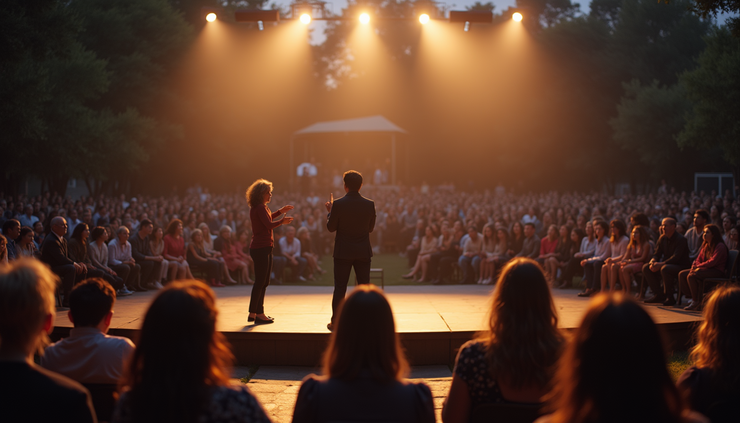
Theatre created by and for Deaf individuals offers a unique cultural experience. Deaf theatre companies use sign language, visual storytelling, and expressive movement to engage audiences. Performances often include creative lighting and visual effects to enhance the experience.
Why Deaf theatre stands out:
It centers Deaf culture and language.
Performances are fully accessible without sound.
It provides opportunities for Deaf actors, directors, and playwrights.
Ways to enjoy Deaf theatre:
Attend local Deaf theatre productions.
Participate in workshops or acting classes.
Watch recorded performances online from renowned Deaf theatre groups.
5. Video Games with Visual and Tactile Feedback
Video games offer immersive entertainment that does not depend on hearing. Many games include subtitles, visual cues, and vibration feedback to enhance accessibility. Multiplayer games also provide social interaction through text chat or sign language video calls.
Advantages:
Wide variety of genres to suit different interests.
Visual and tactile elements engage multiple senses.
Online communities connect Deaf gamers worldwide.
Popular accessible games:
Puzzle and strategy games with clear visual instructions.
Action games with subtitle options and vibration alerts.
Cooperative games that encourage teamwork and communication.


Comments